
This is a Blog written during the early days of Covid Pandemic Stay-at-home Orders in 2020.
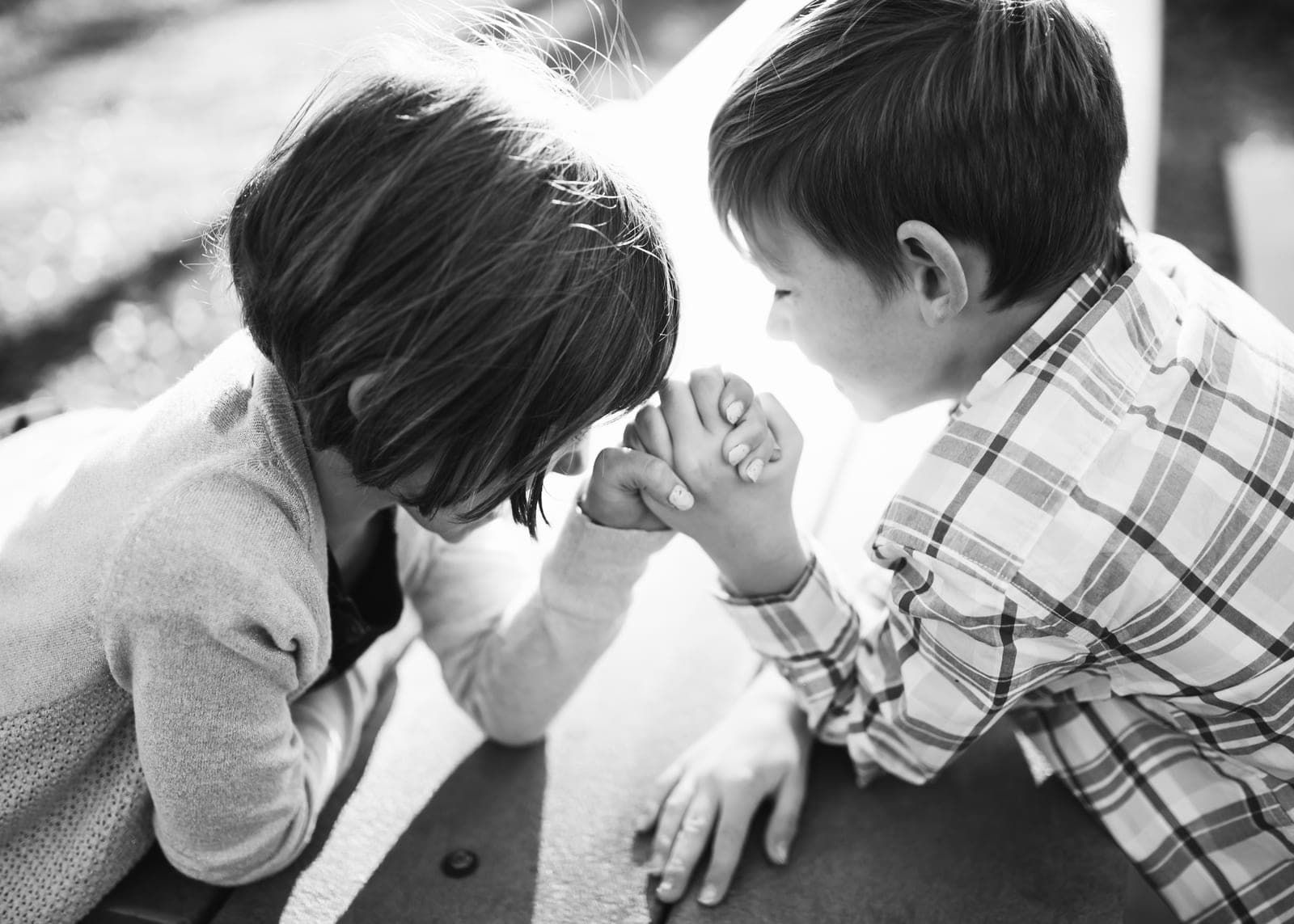
While sequestered at home with my family due to the pandemic, my mind continues to connect our current situation with those of my ancestors. My children, 8 year old twins, are highly aware of the fact they are living in a time that will go down in the chronicles of history. What they are not aware of is the lasting impact times of crisis may have on the rest of their lives.
As a financial planner, I often find myself sitting across the table from a client whose view of their financial situation doesn’t quite square up with what the numbers are showing. For example, some folks are very fearful of not having enough, some are afraid to spend, some believe there will always be enough and spending isn’t an issue; many people internalize the emotional response that goes with all these lessons. A colleague of mine, Rick Kahler, coined the term “money scripts” as an internalized taught relationship with money, an “unconscious belief” system.
More often than not, these money scripts will reflect back to their upbringing and the relationship their parents had with money. If parents or grandparents were hard hit in the depression, their children (and often children’s children) were raised with a view of “we don’t have enough,” regardless of how much was actually saved. Others have a fear of spending money even for reasonable expenses, because “what if we need it later?” Often, these fears will not square up with a person’s available resources, and it takes a fair amount of talk, running through “what if this happens” scenarios to break some of these mindsets that were cultivated during childhood or early adulthood. I can share heartbreaking stories of heirs learning they DID have enough, that life could have been much easier if they had been able to tap resources that were available but hidden due to irrational fears.
There are so many parallels between people who grew up during the great depression and today’s children impacted by the pandemic and global downturn. I believe we have the capacity to help our children come out of this quarantine with less scarring than our depression era parents and grandparents.
In our current situation, my son has been having issues sleeping. I started a conversation to see if we could work through the problem together. I was dumbfounded and heartbroken when he asked me if we would have enough to eat. And then continued on to ask if I would lose my job, and would we have to leave our house? These are big thoughts and fears to fit into a little eight-year-old heart. I was so grateful for the chance to talk with him and change a money script in the making.
Every parent has a unique relationship with their children, but I took my lead from a wise sage… Mr. Rogers. He told his audience “When I was a boy and I would see scary things in the news, my mother would say to me, ‘Look for the helpers. You will always find people who are helping.’” So I told my son about the helpers. We talked about the school lunch/breakfast program (the superintendent had that day sent an email asking families to come get lunches to ensure every child, not just those “in need,” had food). We talked about the basic concept of unemployment insurance, of stimulus programs, and personal savings accounts. I didn’t need to go very deep into the details, but enough to show him there were safety nets all around us, both governmental and personal. We went to the lunch pickup, and the relief on his face when he took that bag of food… a tangible reminder that we have systems in place to help.
Could I have told him that he was too young to worry about it? Absolutely… and in my mind, I would have guessed he WAS too young to think about serious financial issues. But I took the time to listen, and saw an opportunity to change the course of his money script before it was written. Are our safety nets in this country perfect? No, but that is a concern for adults at the polling place. Just showing him that we have created backups, knowing that I have put plans in place for a job loss, for illness, even in case of my death; helps him let go of his fear a little bit, and be present for his place in history.
I am not a psychologist, but this seems like a pivotal time for families. We are all trying so hard to keep things together, and I believe we have the power to help our children end up in a different place than our grandparents did in similar circumstances. Talk with them. Acknowledge their fears, and share the plans you have in place to protect your family. If you need some help putting those plans in place, feel free to drop me a line or look for a Certified Financial Planner™ in your area at letsmakeaplan.org.
For more guidance on how to talk with your children about COVID-19, the National Child Traumatic Stress Network has wonderful resources.
Good luck to you, parents and non-parents alike. Be kind to each other, this is uncharted territory for us all.